West Hollywood highlight
Dense, walkable neighborhoods
With a Walk Score of 89 and a population of 35,757 in 1.89 square miles, West Hollywood is one of California's most densely populated cities.
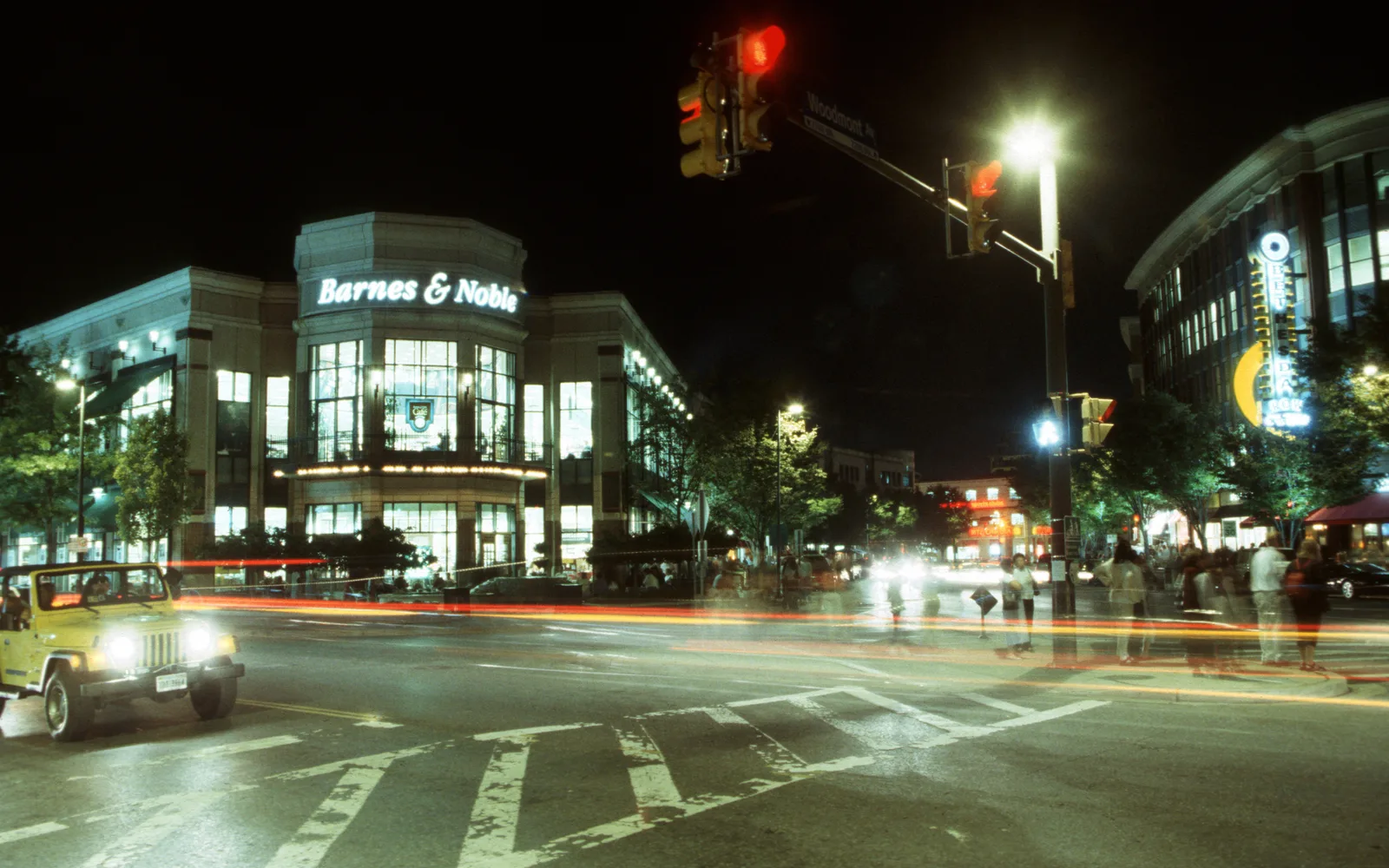
West Hollywood was originally named Sherman in the 1890s, then adopted the name West Hollywood in 1925. Situated between Beverly Hills and Los Angeles, it now consists of dense, interconnected neighborhoods where residents of all backgrounds live close together: Hollywood Hills, Hollywood, the Fairfax District, and Beverly Grove blend into the city's social and economic fabric. Grocery stores, restaurants, parks and transit are within walking distance for most residents.
The high density means West Hollywood residents experience both the benefits of urban living—walkability, diverse amenities, proximity to employment and culture—and its tradeoffs: shared walls, street noise, parking challenges, and the constant awareness of others' lives intersecting with yours. The 2020 census recorded 71% White, 12.6% Hispanic, 6.4% Asian, and 3.6% Black residents, plus the largest Russian-speaking population outside New York.
Urban neighborhoods attract renters and homeowners at different life stages: a first apartment in a walkable area, a condo near work, a multigenerational household sharing space and costs. Each arrangement means different insurance needs. Renters need coverage sized for dependents' expenses; homeowners often want enough to clear a mortgage; families care most about income replacement. Comparing coverage amounts and terms at each stage keeps your policy matched to the life you actually have.